
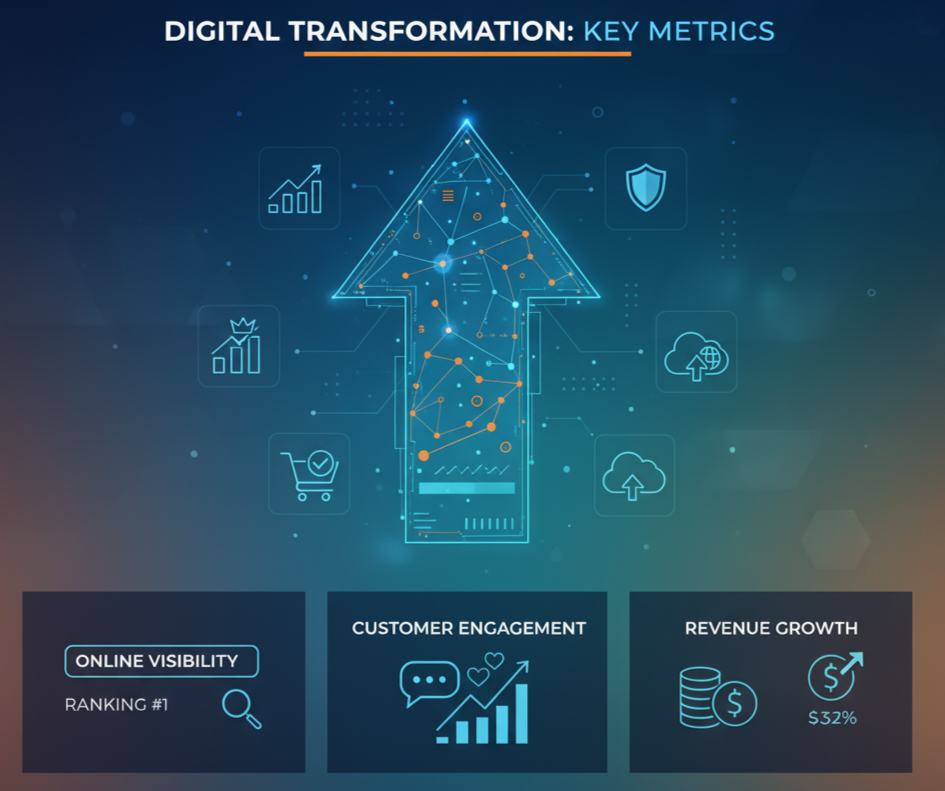
The digital world has transformed how small businesses operate, connect with customers, and grow. Going digital isn’t just about building a website or running ads; it’s about rethinking how a business works in an online-first economy. When a small business embraces digital transformation, the results can be both immediate and long-lasting, driving efficiency, visibility, and profitability.
The Shift from Traditional to Digital
Before digital tools became essential, many small businesses relied on word-of-mouth marketing, physical storefronts, and paper-based operations. While these methods still matter, they limit reach and efficiency. When a business goes digital, it moves into a connected ecosystem where marketing, sales, and customer engagement can all happen in real time.
Digitization often starts with something simple, such as a social media page, a digital payment system, or an online booking tool. But each step builds momentum. Soon, data replaces guesswork, automation reduces manual labor, and marketing becomes measurable. For example, a local bakery using online orders and social media promotions can track which campaigns increase foot traffic and which products customers love most.
How Digital Transformation Impacts Growth
Once a business is online, its visibility expands beyond the local neighborhood. A well-optimized website, combined with Google Business listings and local SEO strategies, helps small businesses appear in local search results when customers look for services nearby. This shift means potential customers who never walked past your store can now discover you with a quick search.
Digital tools also streamline operations. Cloud accounting, inventory management software, and CRM systems allow owners to focus on customers instead of paperwork. Communication improves too—email, chat, and social media make support faster and more personal. These efficiencies don’t just save time; they improve customer satisfaction and retention.
The Human Side of Going Digital
Going digital isn’t about replacing people with technology. It’s about helping them do their jobs better. Employees gain access to data-driven insights that help them make smarter decisions. Marketing teams can see which strategies actually work. Sales teams can follow up with qualified leads. Owners can make informed decisions based on performance metrics rather than intuition alone.
This human-technology balance is where small businesses find real growth. Digital tools enhance creativity, improve collaboration, and make it easier to serve customers in meaningful ways.
Key Points to Remember
- Going digital is more than just creating an online presence; it’s about transforming how a business operates.
- Local SEO and digital marketing expand reach far beyond physical boundaries.
- Automation and analytics increase efficiency and accuracy.
- Digital tools empower teams to make smarter, data-backed decisions.
- The ultimate goal is better service, stronger relationships, and sustainable growth.
FAQs
1. What are the first steps for a small business to go digital?
Start with a website, Google Business Profile, and social media presence. Then integrate online payments and digital communication tools to streamline customer interactions.
2. How can going digital help increase local sales?
Local SEO, targeted ads, and online reviews make your business more discoverable by nearby customers searching for your services.
3. What digital tools are most effective for small business growth?
Tools like CRM systems, accounting software, social media schedulers, and e-commerce platforms help manage operations and marketing efficiently.
4. Is digital transformation expensive for small businesses?
Not necessarily. Many affordable or free tools exist, and the return on investment often outweighs the initial costs by improving efficiency and visibility.
5. How can I measure success after going digital?
Track key performance metrics such as website traffic, conversion rates, customer retention, and online engagement to evaluate progress over time.