
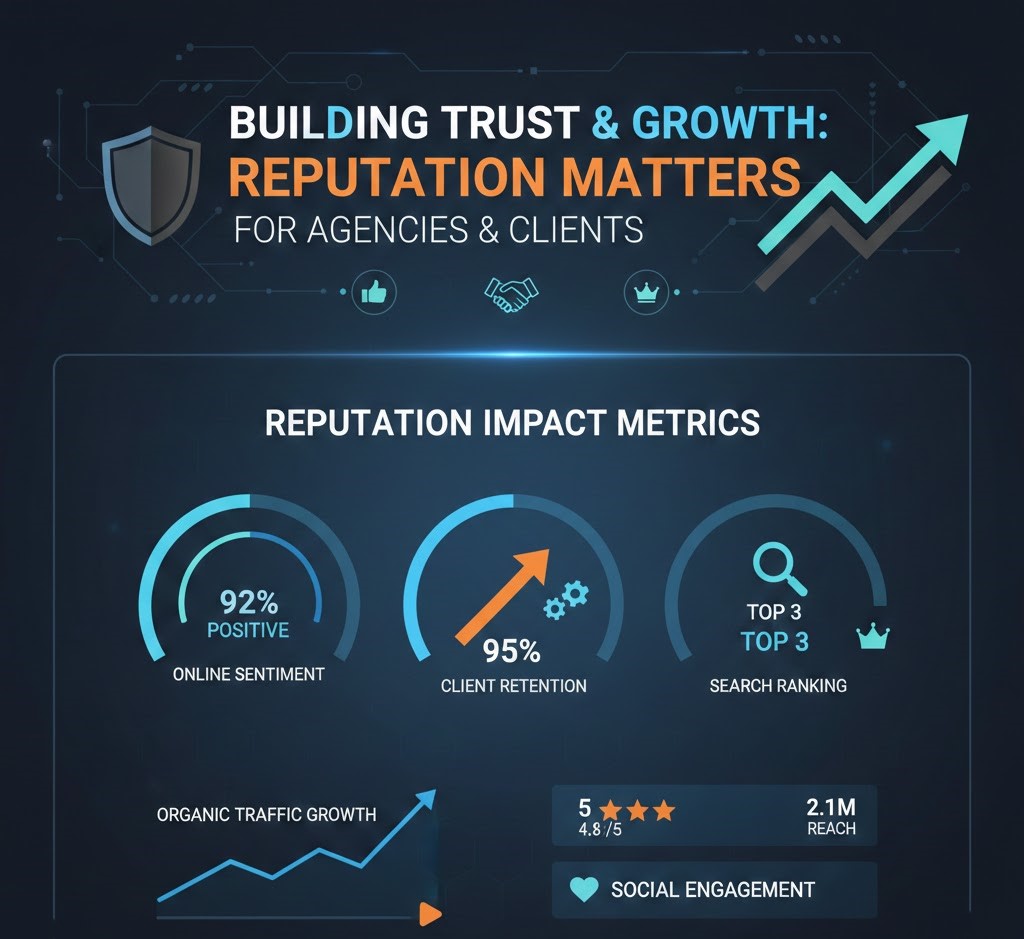
Reputation has become one of the most valuable assets for any business in Australia, the UK, or the USA. Customers rely on online reviews, local search results, and social platforms long before they ever visit a website or speak with a team member. For agencies, this shift creates both a challenge and an opportunity. A strong reputation helps you win more clients. A weak one limits growth, trust, and long-term success. This is why having a dedicated reputation manager is no longer optional. It is part of your core strategy.
Why Agencies Need Active Reputation Management
Agencies operate in competitive markets where clients compare everything from past work to service quality. Even a single negative review can reduce trust and lead potential clients to look elsewhere. An active reputation strategy ensures your online presence reflects the actual quality of your work, not just isolated comments or outdated feedback. When agencies guide their clients through the same process, it strengthens overall results and positions them as reliable partners.
How Reputation Impacts Client Acquisition
Buyers often make decisions based on social proof. If an agency has strong testimonials, high review scores, and consistent brand messaging, it becomes easier to close deals. Reputation also affects local SEO. Google rewards businesses with positive reviews and steady engagement. This means your agency can rank higher in search results and win more visibility simply by managing its reputation well.
Why Your Clients Need Reputation Support Too
Clients look to agencies for guidance on more than ads or design. They expect help building trust with their customers. When clients have positive reviews, accurate listings, and clear feedback responses, their campaigns perform better. Reputation adds weight to every message and increases conversion rates across all channels. When an agency offers reliable reputation management, it sets itself apart in a crowded market.
What a Strong Reputation Strategy Includes
A professional reputation manager focuses on monitoring, responding, improving visibility, and creating a steady flow of positive feedback. This includes tracking reviews across Google, social platforms, and industry directories. It also includes addressing negative feedback with clarity and understanding. A strong strategy protects the brand, increases customer confidence, and helps both agencies and clients grow without relying on guesswork.
Key Points to Remember
- Online reputation directly affects trust, conversions, and local SEO visibility.
- Agencies with strong reputations have an easier time attracting and retaining clients.
- Clients rely on agencies for guidance, making reputation support a valuable service.
- Consistent review management and accurate listings help build long-term credibility.
- A dedicated reputation manager ensures issues are handled before they become problems.
FAQs
1. Why is reputation management important for small and medium agencies?
It helps agencies build credibility, attract clients, and stand out in competitive markets.
2. How does reputation management affect Google rankings?
Positive reviews improve local SEO, which helps your business appear higher in search results.
3. What does a reputation manager do for clients?
They monitor reviews, guide responses, update listings, and help generate consistent positive feedback.
4. How often should agencies review their online reputation?
Weekly monitoring is recommended to catch issues early and maintain steady engagement.
5. Can reputation management increase conversions for clients?
Yes. Strong reviews and accurate listings build trust, which results in higher conversion rates.
If you’re looking for a reliable reputation manager to strengthen your agency or support your clients, we can help you build a trustworthy online presence that grows consistently. Learn more about how Intramind Solutions supports businesses with professional reputation management.