
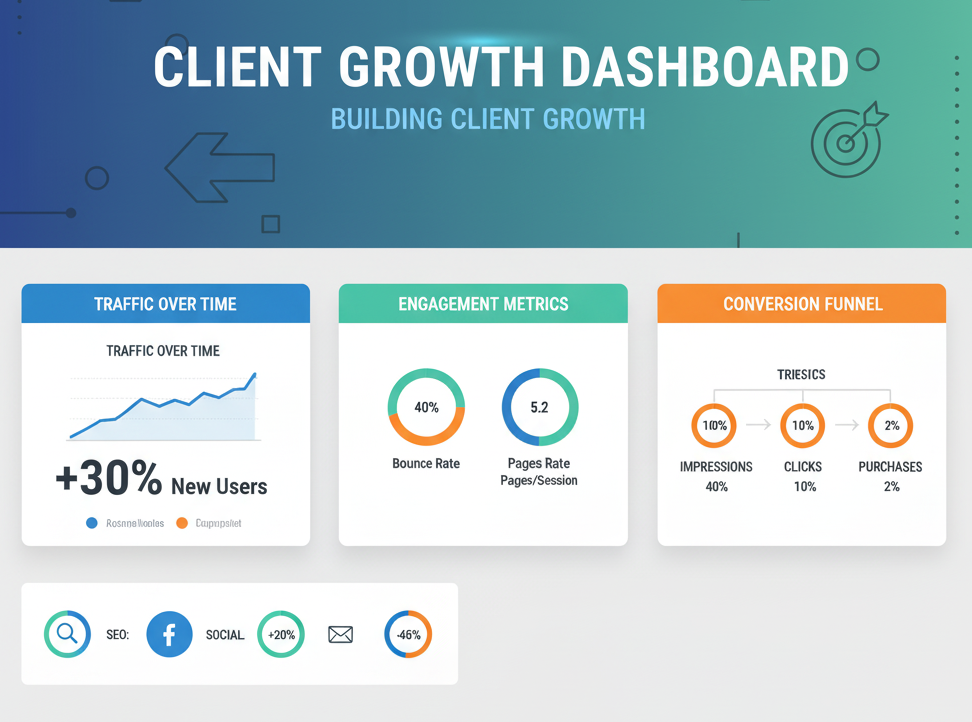
A digital marketing funnel is more than a fancy diagram; it’s a structured journey that guides potential customers from discovery to purchase. At Intramind Solutions, we’ve spent years refining funnel strategies for clients across Australia, the UK, and the USA. What we’ve learned is simple: a successful funnel isn’t built on tactics alone, but on understanding how real people make decisions online.
Understanding the Digital Marketing Funnel
A digital marketing funnel represents each stage a customer moves through before buying a product or service. Traditionally, it’s divided into three key phases:
- Awareness – Attracting attention through SEO, social media, and paid ads.
- Consideration – Educating leads with valuable content like blogs, videos, and email campaigns.
- Conversion – Turning interest into action through strong calls-to-action, landing pages, and remarketing.
Agencies like ours optimise every stage to ensure prospects don’t just visit your website; they move deeper into your brand experience.
Step 1: Research and Strategy Development
Before building anything, top agencies conduct detailed market and audience research. We look at search intent, competitor funnels, and existing analytics. Understanding what motivates your audience helps us design campaigns that speak directly to their needs. Long-tail keywords such as “best digital marketing services for small businesses” or “how to improve online sales funnel performance” guide both SEO and ad strategies.
Step 2: Crafting High-Intent Content
Content sits at the heart of every digital marketing funnel. Whether it’s a blog post, social ad, or landing page, each piece must educate and engage. The goal is to build trust while addressing real problems your customers face. Agencies use storytelling, case studies, and data-backed insights to make content relatable and persuasive.
Step 3: Conversion Optimisation
Once visitors reach your site, conversion design takes over. Clear headlines, mobile responsiveness, and frictionless forms all matter. We test everything from call-to-action buttons to checkout flow to reduce drop-offs. Continuous A/B testing and heatmap analysis ensure every click has purpose.
Step 4: Tracking and Refinement
Digital marketing funnels are never “set and forget.” Using tools like Google Analytics and CRM integrations, agencies track behaviour at every stage. Data shows where users hesitate, allowing constant improvements that increase ROI over time.
Key Points to Remember
- A digital marketing funnel must align with real user behaviour.
- Every stage (awareness, consideration, conversion) needs clear goals.
- Content and design should build trust, not just drive traffic.
- Ongoing testing and data analysis keep funnels effective.
FAQs
1. What is a digital marketing funnel and why is it important?
It’s a framework that helps businesses guide potential customers toward a sale, improving conversion rates and marketing efficiency.
2. How long does it take to build a digital marketing funnel?
Most funnels take 4 to 8 weeks to design, test, and launch, depending on the campaign’s size and complexity.
3. Which tools are best for managing a digital marketing funnel?
Google Analytics, HubSpot, Mailchimp, and Meta Ads Manager are among the most widely used.
4. How do I know if my funnel is working?
Key metrics include conversion rate, cost per lead, and engagement across stages. A healthy funnel shows steady growth in qualified leads.
5. Can small businesses afford a professional digital marketing funnel?
Yes. Agencies often tailor solutions to match budget and business size, focusing on high-impact areas first.