
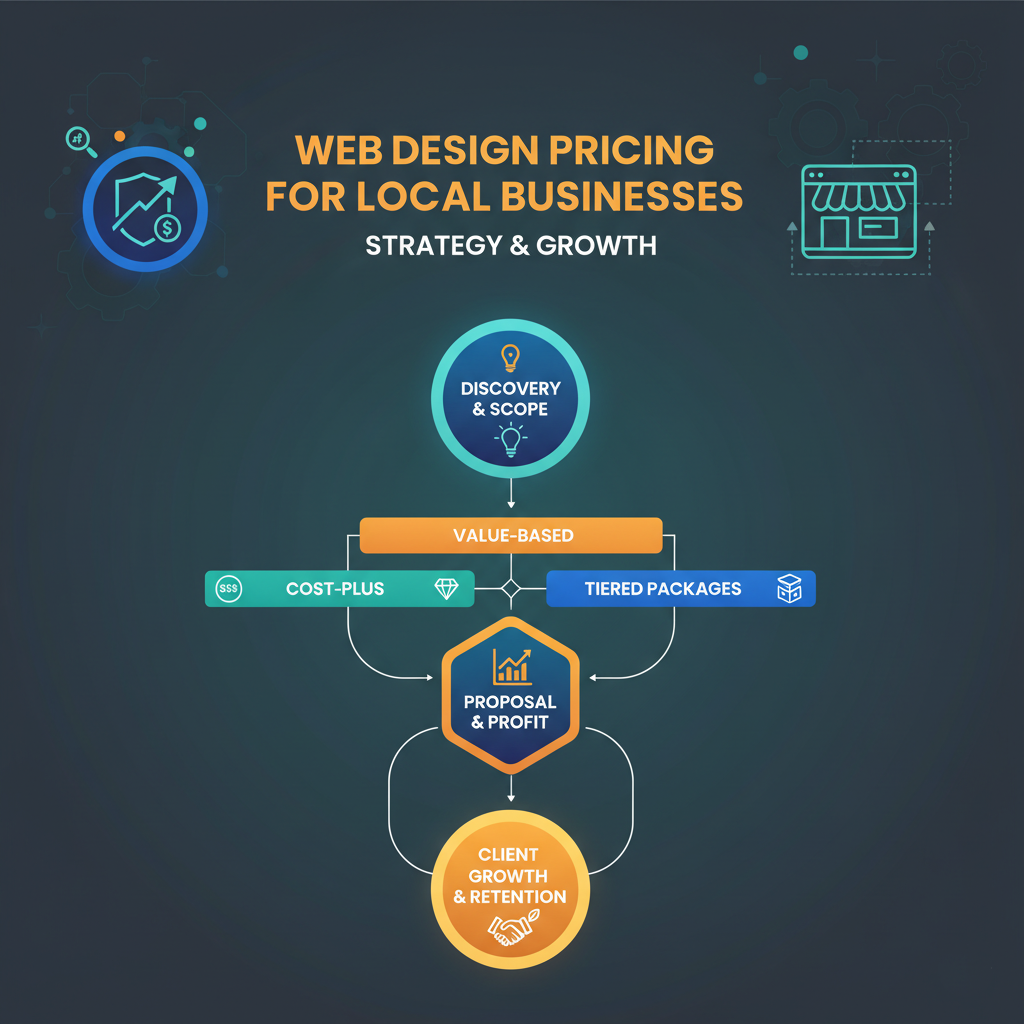
Pricing web design services can feel confusing for freelancers, agencies, and even established studios. Local businesses in Australia, the UK, and the USA want clear pricing, predictable results, and a website that helps them stand out. At the same time, web designers need a structure that reflects the work involved and the real value they deliver. Understanding how to price web design in a practical, transparent way makes it easier for clients to trust you and easier for you to run a sustainable business.
A good pricing strategy starts with knowing what local businesses actually care about. Most want a website that loads fast, looks clean, works perfectly on mobile, and can help them get more enquiries. When you position your pricing in a way that connects directly to these outcomes, clients immediately see why your services matter. Instead of giving random numbers, break your pricing into simple categories so clients can choose based on real needs.
One effective approach is to structure your pricing around three areas. The first is the website build itself, including design, development, mobile responsiveness, and basic SEO setup. The second is add-ons like copywriting, advanced SEO, booking systems, ecommerce features, or CRM integration. The third is ongoing support, which can include hosting, maintenance, security updates, and analytics reporting. When clients understand these layers, choosing a package becomes easier and your pricing feels grounded in real work.
Another important factor is market research. Businesses in Sydney, London, or New York often expect different levels of quality and support. Reviewing competitor prices helps you stay realistic while still charging for the value you provide. At the same time, avoid undercharging. When your price is too low, clients may assume your quality is low too. Clear communication, transparent deliverables, and examples of past results help create confidence and make pricing feel justified.
Educational communication plays a huge role in pricing. When you explain each step of your process in simple language, clients understand how their investment turns into a finished website. You can also use visual tools like sitemaps, page flowcharts, and feature checklists to make the process easier to grasp. These small touches reduce confusion and help local businesses feel comfortable moving forward.
Key Points to Remember
- Price your web design services around outcomes, not just hours.
- Break pricing into build, add-ons, and maintenance for clarity.
- Research your market in the USA, UK, and Australia to stay competitive.
- Communicate in simple, friendly language that builds trust.
- Show real examples so clients understand the value they receive.
FAQs
1. What is the average cost of web design for small local businesses?
Most small businesses pay between mid-range to premium pricing depending on features, pages, and ongoing support needs.
2. How do I set web design prices without losing clients?
Offer tiered packages so clients can choose a level that fits their goals and budget.
3. Should I charge monthly for web design services?
Many designers offer monthly plans for hosting, maintenance, and updates because it provides long-term stability for both sides.
4. What factors increase web design pricing the most?
Custom development, ecommerce features, SEO strategy, and advanced integrations typically require more time and skill.
5. How do I explain web design costs to clients?
Use simple breakdowns that show what is included, how long tasks take, and how each part helps their business grow.