
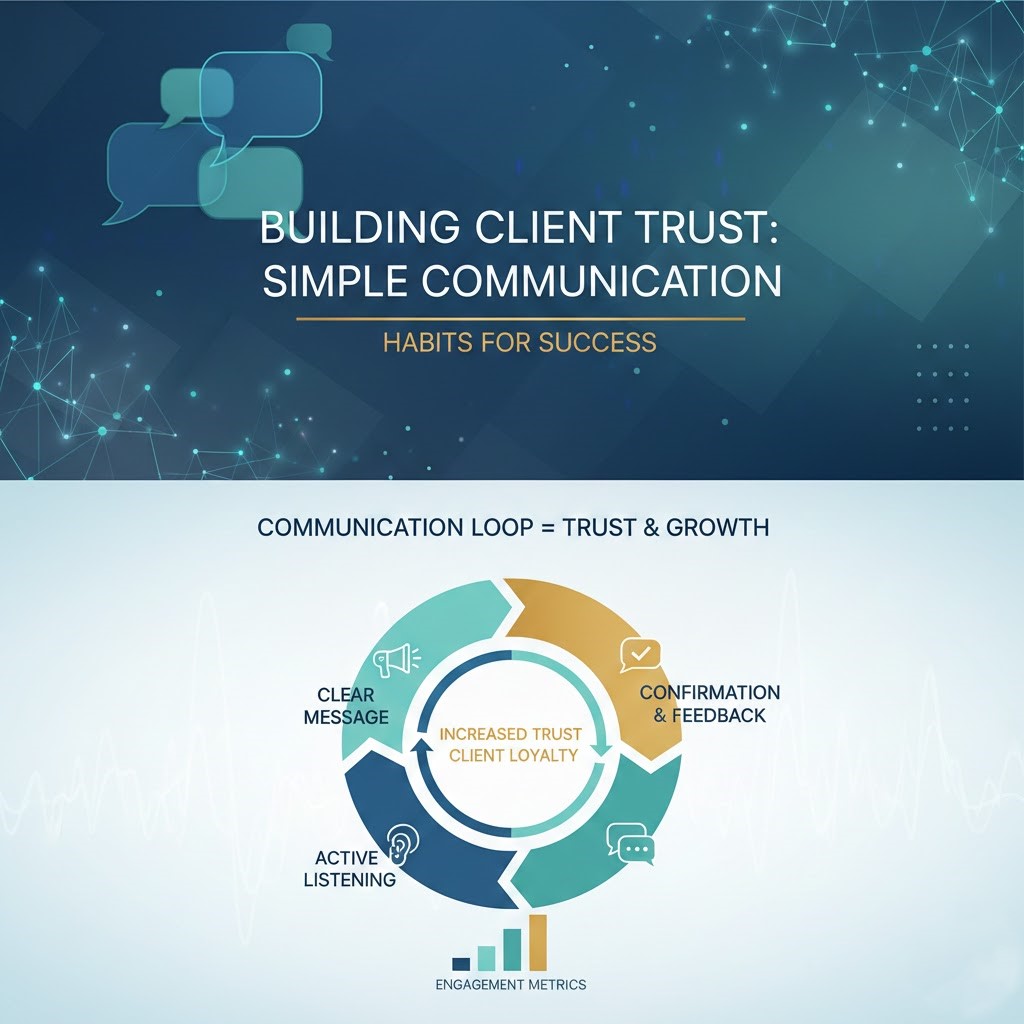
Clear, consistent communication is one of the strongest drivers of client trust in any professional relationship. Whether you are working with clients in Australia, the UK, or the USA, the expectations are remarkably similar. People want to feel heard, understood, and confident that their time and money are being respected. In our experience working with service-based businesses and agencies, trust is rarely lost because of technical mistakes. It is usually lost because of poor communication habits.
Below, we break down practical, real-world communication habits that consistently improve client trust and long-term relationships.
Why Communication Matters More Than Ever
In today’s remote and digital-first environment, most client interactions happen through email, calls, and messaging platforms. This means tone, clarity, and timing matter just as much as expertise. Strong communication reduces misunderstandings, shortens project timelines, and helps clients feel safe in their decisions.
From small local businesses to growing agencies, effective communication is often the difference between one-off projects and long-term partnerships.
Simple Communication Habits That Build Trust
Be clear, not clever
Clients value clarity over complex language. Avoid jargon unless you are certain the client understands it. Explain concepts the way you would to a student, step by step, without sounding condescending.
Set expectations early
One of the fastest ways to lose trust is mismatched expectations. Clearly outline timelines, deliverables, and responsibilities at the start of any project. This habit alone prevents most client frustrations.
Respond consistently
You do not need to reply instantly, but you do need to be predictable. Let clients know when they can expect a response. Consistent response times build confidence and reduce anxiety.
Listen before you explain
Many professionals rush to solutions. Strong communication starts with listening. Repeat key points back to the client to confirm understanding before offering advice or recommendations.
Document important conversations
Follow up important calls or meetings with a short written summary. This shows professionalism and prevents confusion later, especially for clients managing multiple vendors.
Communication Across Australia, the UK, and the USA
While cultural nuances exist, clients in these regions share common expectations. They value honesty, professionalism, and respectful communication. Being direct but polite works well across all three markets. Overpromising, vague answers, or poor follow-up damages trust everywhere.
Key Points to Remember
- Clear communication builds trust faster than technical skill alone
- Setting expectations early prevents future conflict
- Consistency matters more than speed
- Listening is a core communication skill, not a soft one
- Written follow-ups protect both you and the client
Frequently Asked Questions
How does communication improve client trust?
Clear and consistent communication reduces uncertainty and helps clients feel informed and respected throughout the process.
What are common communication mistakes businesses make?
Being vague, overpromising, using too much jargon, and failing to follow up are the most common issues.
How often should I update clients during a project?
Regular updates at agreed milestones work best. Weekly or bi-weekly updates are common for most projects.
Does communication style differ between the USA, UK, and Australia?
The fundamentals are the same. Clear, honest, and respectful communication works across all three regions.
Can better communication increase client retention?
Yes. Clients are far more likely to stay when they feel informed, involved, and understood.
Strong communication habits are not complicated, but they do require intention and consistency. If you are looking to improve Communication within your business or client workflows, we also provide professional web and digital solutions designed to support clear client interaction. Learn more about how Intramind Solutions can help you build trust through better Communication by visiting our website.