
Geo fencing has become one of the most effective ways for agencies to help businesses reach the right customers at the right moment. When it is set up correctly, it gives brands a competitive edge by targeting people based on real locations instead of broad assumptions. For agencies offering white label services, understanding how to build, manage, and optimise geo fencing campaigns is essential for delivering real value to clients.
Understanding What Geo Fencing Actually Does
Geo fencing uses virtual boundaries to trigger ads or actions when a device enters or exits a specific location. This can be as wide as an entire suburb or as focused as a single storefront. Agencies often use these location signals to run highly targeted campaigns, improve foot traffic, and support stronger SEO and digital marketing strategies. Real-world behaviour becomes a reliable source of insight, helping businesses understand who their customers are and when they are most likely to take action.
How Agencies Structure Geo Fencing for White Label Clients
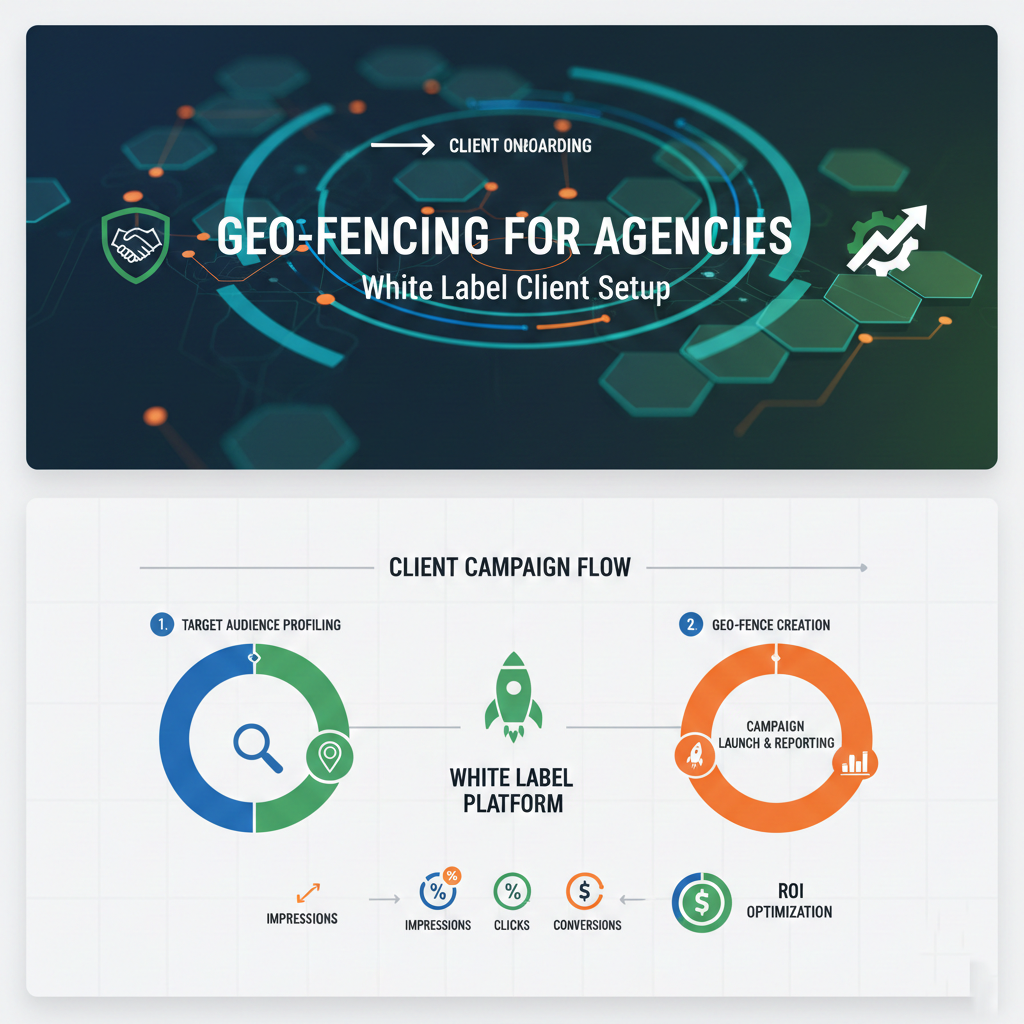
The first step agencies take is defining the exact goal. Some clients want more in-store visits, while others want better visibility for service-based offerings. Once the objective is clear, agencies map out the locations that matter. This includes competitor stores, high-traffic areas, event venues, or neighbourhoods with strong buying intent.
After selecting the locations, the next step is creating accurate digital boundaries. Agencies rely on mapping tools that allow precise radius targeting so ads do not spill into irrelevant areas. Once the fence is set, ads are tailored to match local search intent, buying behaviour, and seasonal demand. This often includes integrating long-tail SEO keywords so the campaign aligns with how people actually search.
Finally, agencies monitor performance almost daily. They review impressions, click behaviour, conversions, and in-store visits. The goal is to refine the geo fences and keep improving results while staying aligned with the client’s brand guidelines.
Why Geo Fencing Works for Local SEO and Visibility
Geo fencing strengthens local search performance because it connects offline behaviour with online signals. When people in a specific area engage with ads or look for nearby services, it boosts relevance across Google Search and AI-powered discovery platforms. For many businesses in Australia, the UK, and the USA, this level of targeting helps them outperform larger competitors who rely only on broad national campaigns.
Key Points to Remember
• Geo fencing uses precise location targeting to reach motivated customers.
• White label agencies can offer geo fencing to expand their service portfolio.
• Accurate mapping and clear campaign objectives are essential for strong results.
• Geo fencing improves local SEO and increases visibility on search engines and AI platforms.
• Ongoing optimisation is necessary to maintain performance.
FAQs
How does geo fencing help local businesses attract more customers?
It targets people near the business or within high-value areas, making ads more relevant and timely.
What industries benefit most from geo fencing?
Retail, real estate, hospitality, healthcare, trades, and any service that relies on local customers.
How accurate is geo fencing for white label marketing?
Agencies can set very precise virtual boundaries, often within a few metres, allowing highly targeted campaigns.
Is geo fencing useful for SEO?
Yes. It helps align ads and local search behaviour, which strengthens relevance across Google and AI-driven platforms.
Can agencies manage geo fencing for multiple clients at once?
Yes. With the right tools and reporting systems, agencies can run and optimise campaigns for many white label partners.